Why do the 2026 regulations for permanent makeup in Australia matter? Cosmetic tattooing is a skin-penetration procedure that puts pigment under the skin; there are infection risks if a practitioner is not careful. While it is viewed as such in Australia, one has to look to the state or territory and local council for what is required in the way of licences, premises, notification and inspection.
Seraphina Phillips here. I am a beauty writer from Geelong with some experience as a salon trainer and skin therapist. My approach is straightforward: put the same weight on any service where a needle, blade or cartridge goes into the skin as you would a clinical one, regardless of how soft the studio lighting is or the 1990s pop on the playlist. The following is a guide to the PMU safety requirements that Australian businesses and their clients need to be aware of in 2026.
Permanent Makeup Rules For 2026
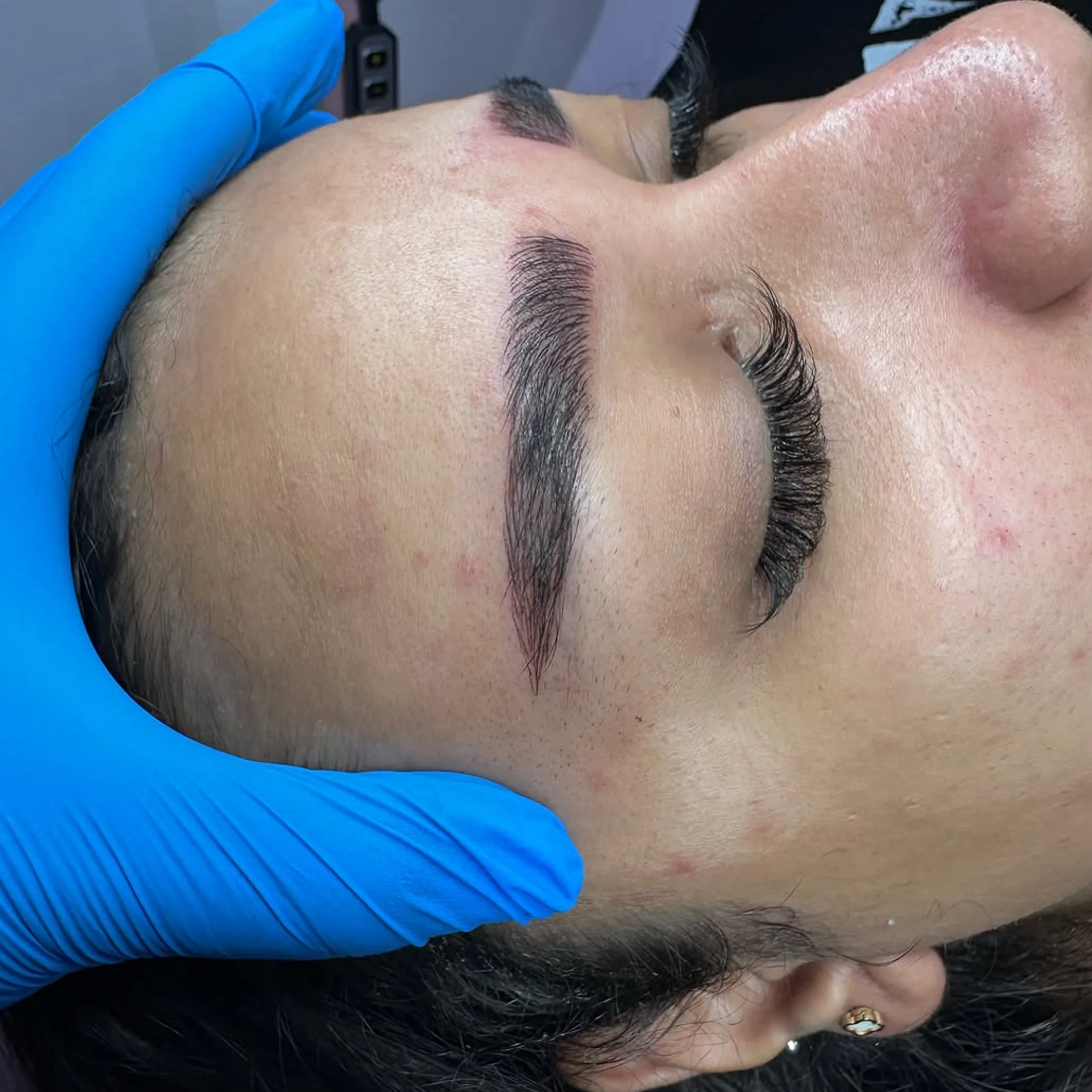
Do not expect an Australia-wide licence to cover all your obligations. In order to put cosmetic tattoo services on offer, practitioners will have to satisfy the public health, business, waste and workplace-safety demands of the locality. For more information, see our hybrid eyebrows guide.
A case in point is the notion that a beauty qualification is tantamount to being allowed to do cosmetic tattooing. It is not. You will find training, insurance, safe operating procedures and getting the council’s nod are entirely separate issues.
National Rules And Local Duties
What regulates permanent makeup in Australia is typically a matter of layers. Public health legislation at the state or territory level will govern skin penetration and infection control. Then there is the local council with its environmental health stipulations, registration and inspections. Add in workplace safety law for incident reporting, chemicals and sharps.
Depending on the instrument and depth of the work, “permanent makeup” can refer to microblading, eyebrow or eyeliner tattooing, lip blush and machine-based pigmentation.
Make a call to the environmental health team at the local council before you take on a room. Put to them questions on home-based work, waste disposal, skin penetration registration and what is entailed in cosmetic tattoo licensing Australia. And make sure you have it in writing; a phone conversation where you are told “you should be right” does not constitute compliance.
Skin Penetration Explained
In simple terms, a procedure is one of skin penetration when equipment breaks or enters the skin barrier. This is true of microneedling devices, cosmetic tattoo needles, microblading blades and tattoo machines. At that point infection control is no longer optional.
The classification has implications for the business as much as the treatment. The studio will be expected to have records and staff procedures to account for contamination risks, as well as cleanable surfaces, hand-washing and approved waste arrangements.
Microblading And Cosmetic Tattooing
Practitioners in Australia will find microblading falls under skin-penetration rules since the blade makes incisions however small. The delicacy of the stroke does not render the procedure without risk.
That holds for powder brows, machine hairstrokes and lip or eyeliner tattooing. Even with a disposable cartridge to mitigate some of the contamination, one still needs informed consent, aftercare, proper disposal of sharps and environmental cleaning. Some think it is safer than a body tattoo on account of using less pigment but the risk is in the whole of the procedure, the operator’s technique, the handling of the pigment and the condition of the skin.
State And Territory Compliance
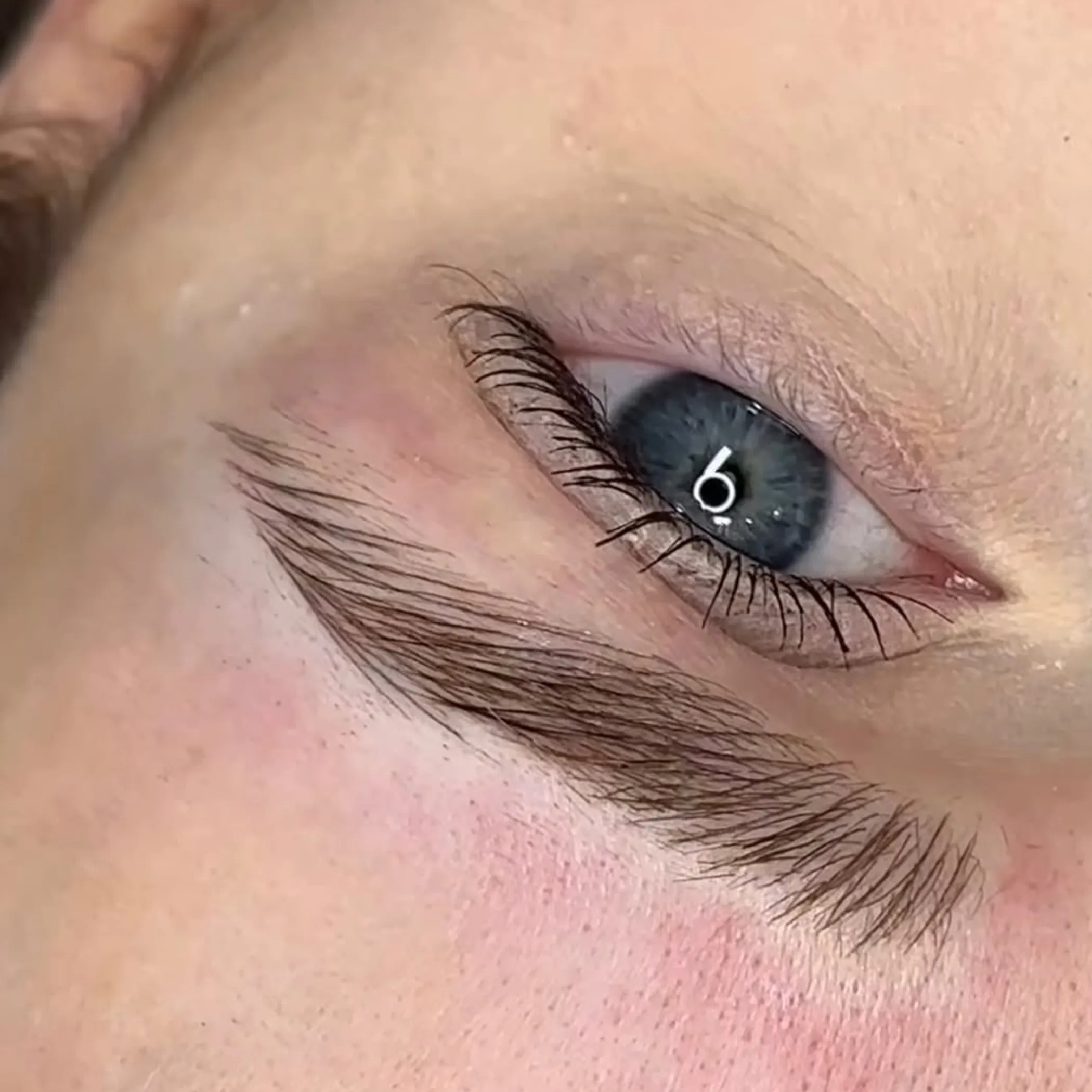
You cannot swap one state’s requirements for another. What is legal in Victoria might call for different approvals or records in New South Wales, Queensland or Western Australia.
For mobile operators and those in shared or home studios the responsibility for the premises can get as muddled as an old damper when changing suburbs.
Check Requirements By Location
Under the NSW Public Health Act 2010 and other public health legislation, skin penetration businesses in New South Wales are subject to certain processes. Operators would do well to review current guidance from NSW Health and their council.
Elsewhere in the country the public health and council systems are their own. One council may inspect first, another will want notification and then inspect. Some demand registration prior to opening. It is best to go to the local authority for confirmation as the details are prone to change.
And do not mistake “council registration” for a national database. In the case of permanent makeup it is more often a local administrative formality than a professional register. There is no one permanent makeup council registration that is valid in every part of Australia.
What an operator needs to verify
One should not take on a client without first ascertaining if the local council demands notification, a registered premises or a skin-penetration business approval. Check for the need of any practitioner credentials, public liability and professional indemnity insurance or a waste contractor. Put it to the council whether they will want to see a floor plan, sink specs, details on sterilisation equipment or infection-control protocols.
For some official context, have a look at the NSW Health data on skin-penetration procedures and from there determine how your council enforces the rules.
Studio and premises
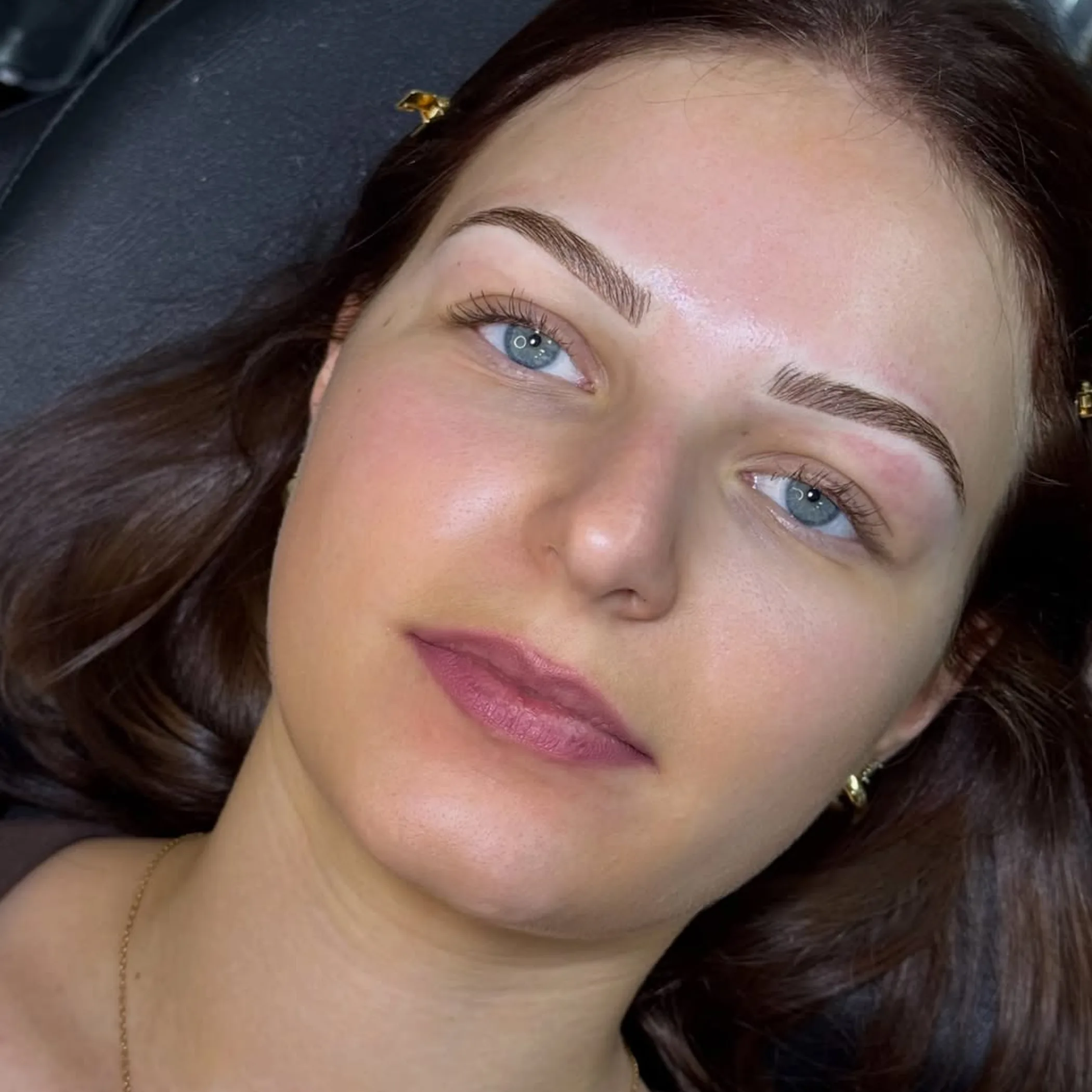
The point of a studio in compliance is to facilitate safe work. The room should be laid out for an unimpeded and clean workflow, be it for hand washing, preparing a client, the treatment itself or putting away waste and cleaning down.
A client may not be versed in building codes but can tell when something is amiss. A treatment room crammed like sardines with nowhere in sight to wash one’s hands, or where you find clean cartridges put away next to used gear, would warrant some hard questions before any skin is made contact with.
The importance of a clean workspace
Be it the floor, the benches or the treatment bed, all surfaces ought to be smooth, of good quality and simple to put right. The area must be set up so that what is clean does not mix with instruments or clinical waste that has been used.
As for hand-washing, it should be at hand and well stocked. Practitioners will require liquid soap and disposable towels to follow a sound hygiene routine with each client. An alcohol rub has its place at times but is no substitute for a proper wash if the hands are soiled.
Proper lighting is essential for the practitioner to make out the skin and his equipment; covered storage will keep dust and splashes off sterile goods. And the studio should have a plan in place for the likes of blood spills or a needle-stick.
Dealing with sharps and waste
Needles, blades and the like should be put in a sharps container forthwith. There is no recapping them, bending or breaking them or leaving them on a trolley to answer a call.
Clinical waste is to be put aside and taken care of in line with state, territory and council dictates; a domestic bin will not do for contaminated sharps. The business should be able to say who comes for the waste and on what schedule and what records are kept.
Infection control and hygiene
The standards for permanent makeup are to forestall cross-contamination. It is up to the practitioner to govern what makes contact with the client and the environment.
I have seen few dramatic things in training salon staff. It is the little habits: a gloved hand on a phone, or one forgets a product bottle can be compromised by reaching over a tray. For the most part infection control is about being disciplined in the ordinary course of things.
Equipment for single use
Open the microblading blades, pigment cups, cotton tips and needles for the client and throw them out after. A practitioner should be able to account for where he keeps new stock and how old sharps are disposed of.
Gloves are not a panacea for hand hygiene; they too get contaminated and changing them without first cleaning the hands only spreads it. Use a new pair as the situation calls for and between clients or if they are damaged.
Sterilising what is reusable
You cannot equate a good wash with detergent or a spray of disinfectant to true sterilisation. Reusable instruments call for a process of cleaning, packaging and monitoring that is validated. Higher-risk services require a licence from Council, ensuring compliance with local health and safety standards.
Then there are the Australian standards such as AS 5369:2023 for the reprocessing of medical devices in health and disability care, or AS/NZS 4815 for office-based facilities. One must adhere to the standard and public health direction of the jurisdiction. If the studio is vague on their sterilisation and maintenance records when asked, it is wiser to go with a practitioner who will use single-use equipment if he can.
A daily checklist for safety
- Wash hands on either side of a client and if contamination happens.
- See that every client is given fresh single-use needles and blades.
- Disinfect the work surface with the right product and allow for contact time in between appointments.
- Do not let clean supplies come into contact with clinical waste or used instruments.
- Put any used sharps in a compliant container.
- Make a record of incidents, sterilisation and maintenance.
Pigment and chemical safety
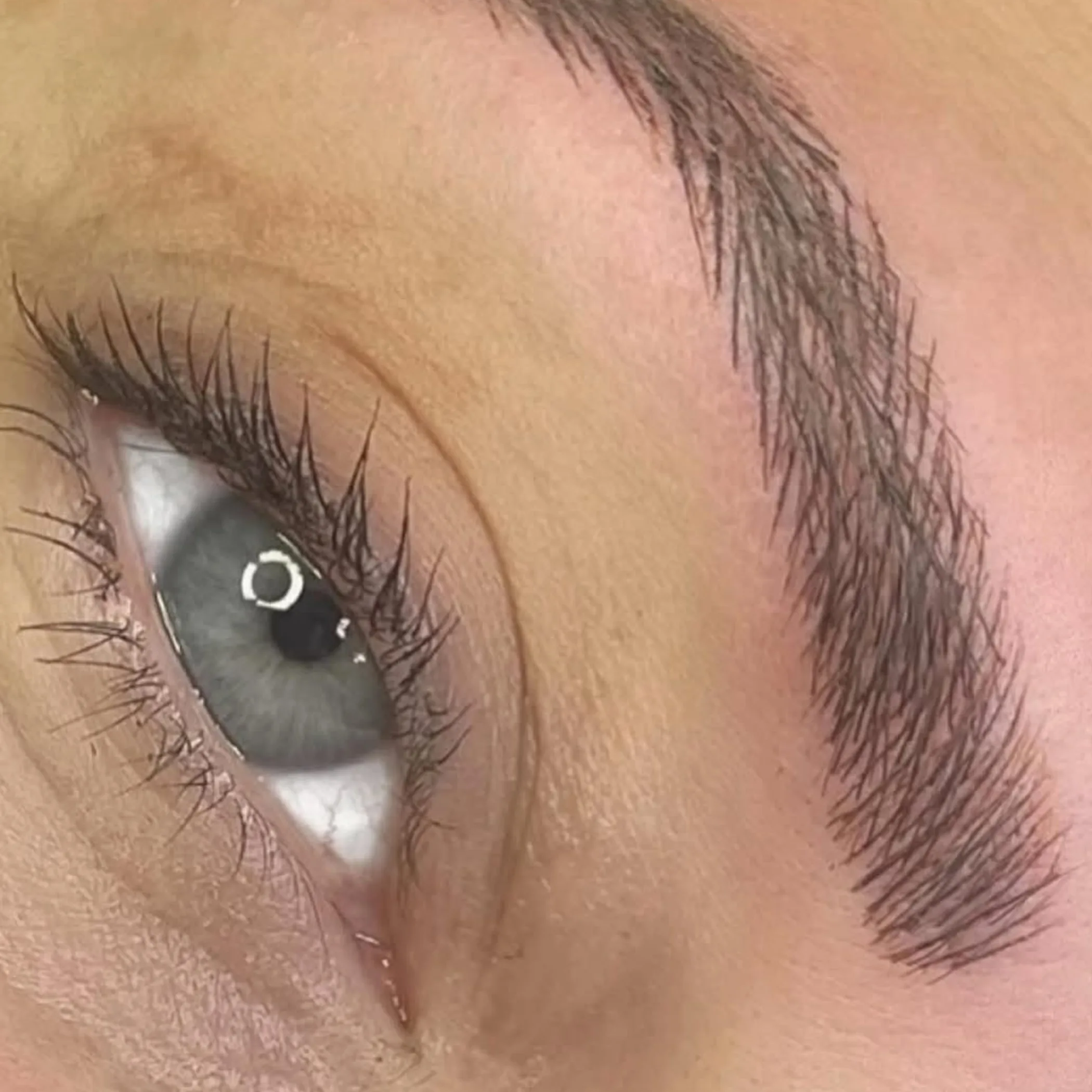
There is more to pigment safety than picking a colour in vogue. An operator ought to be versed in the make up of the tattoo ink, who the manufacturer is, how it is to be stored and the batch and expiry details for any pigment put to use.
In Australia a pigment is not regarded as a cosmetic product of the simple kind. The way the law sees it will be dictated by the ingredients, the equipment or procedure at hand, the claims made and the manner in which it is supplied.
AICIS And Pigment Ingredients
Under the Australian Industrial Chemicals Introduction Scheme (AICIS) the bringing in of industrial chemicals is regulated. What obligations fall on an importer or supplier of pigment will be a matter of the supply chain, the ingredients and what the product is for.
One should not be under the impression that a pigment is in order simply from seeing it on another artist’s work or available on the internet. It is advisable to have the product information, batch numbers and supplier at hand. Steer clear of decanted pigments where the label, origin or ingredient list are wanting.
As for the client, there should be full disclosure of any allergies, eczema, psoriasis, active infection or other medical condition. While a patch test is sensible with some clients or products, it does not ensure the procedure will be without reaction.
TGA Rules For PMU Equipment
The TGA has jurisdiction over therapeutic goods and some medical devices. Yet a permanent makeup machine is not necessarily a therapeutic good and there is no requirement for every device used in proximity to the skin to be on the Australian Register of Therapeutic Goods.
How a product is classified has to do with its purpose and the claims put forward, as well as the way it is supplied. Use of marketing terms like “clinically proven”, “healing” or “scar treatment” can alter the regulatory landscape.
Marketing Claims And Devices
If a practitioner is employing microneedling equipment or something purporting to treat a medical condition, he or she would do well to verify if the device is a regulated therapeutic good and listed on the ARTG. Rely on the TGA and the supplier for this, not what is said on social media.
And businesses must adhere to the manufacturer when it comes to cleaning, disposal and the like with cartridges. To modify the equipment or put a product to some other end is to invite compliance and safety issues.
Client Safety Before Booking
It is prudent for a client to put some questions to the professional before parting with a deposit. A competent practitioner will have no trouble explaining the aftercare, the procedure and any complications one might expect.
Do not mistake cost for a measure of safety. An inexpensive session can prove costly through corrective work, infection or pigment migration. Nor is a steep price an assurance of skill; the process should speak for itself in terms of compliance.
Questions Worth Asking
Find out what authority has oversight of the premises and whether the business is registered with the council. Inquire as to the practitioner’s training. One should be shown unopened single-use needles or cartridges prior to the treatment.
Get clarity on what is done with sharps, if a consultation is de rigueur and the protocol for abnormal healing. Written aftercare and informed consent should be provided.
Take stock of your own suitability for the procedure before you book. Unexplained rashes, open wounds or certain medical treatments may call for a postponement or a word with a doctor first. Letting a practitioner put pressure on you to go ahead on account of a deposit paid is not something to countenance.
Expectation Versus Reality
The expectation is that the permanent makeup will be done and dusted. In reality the skin will be uneven, dark or swollen until the pigment has had time to settle and the area healed.
A patch test is thought to be a guarantee. In fact it can only flag some reactions, not all that a full procedure might bring about.
“Sterile” is taken to mean safe reusing of items. Most studios that are safer will be using disposables for their blades and cartridges; instruments that are reused require reprocessing that has been properly validated. A hybrid eyebrows guide will put the visual distinction between hairstrokes and shading in perspective for those making a comparison of brow styles, yet one should not make it a substitute for a proper safety consultation or to see what local compliance entails.
Clients Making Quick Decisions
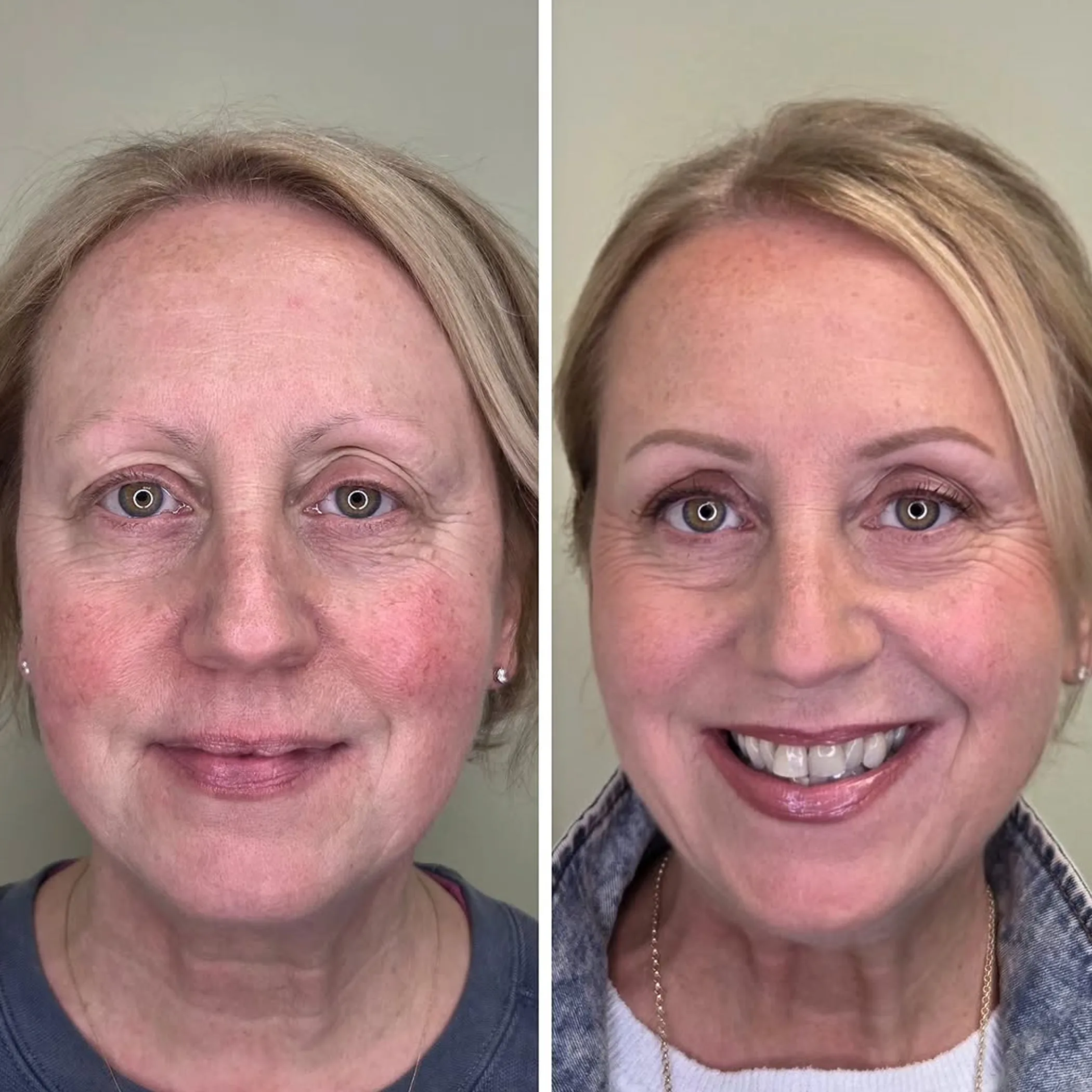
When you are short on time and have but a day to vet a practitioner, put your energies into the consultation and the questions that arise in the treatment room; there is no point in leafing through another hundred before-and-afters. A well-filtered brow is of less consequence than sound advice, consent and hygiene.
The service is aimed at adults who know what to expect in terms of healing and aftercare, and who have selected a practitioner able to put forward his or her qualifications and compliance. Those with active skin issues, a propensity for pigment reactions, unrealistic ideas or who cannot be relied upon to follow wound-care directions would be better served elsewhere.
| What To Check | Why It Matters | Warning Sign |
|---|---|---|
| Local council status | It is evidence the premises has met its obligations in respect of skin-penetration. | The operator is unable to cite the approval or council in question. |
| Single-use equipment | To guard against any transfer of blood or contaminants. | Reused blades or needles, or ones not opened until you are there. |
| Hand-washing access | For the hand hygiene that is part of a good treatment. | No sink, soap or disposable towels to be had. |
| Pigment records | In case of a reaction you want traceability. | Suppliers you do not know or unmarked bottles. |
| Consent and aftercare | So the client is clear on the risks and the healing involved. | Being hurried to put pen to paper and no aftercare in writing. |
Frequently Asked Questions
You will find these are where people are most apt to be taken in, especially from a practitioner who speaks with confidence but is thin on the practical side.
Two Australian Sterilisation Standards?
Depending on jurisdiction, equipment and the facility, AS/NZS 4815 and AS 5369:2023 could be pertinent to reprocessing and sterilisation. It is up to the business to determine which public health guidance and standard is in force for their service. The latter is of note as it covers the reprocessing of devices used in disability and health care.
Beauty Salon Rules
There are requirements to be met from the local council and public health authorities as well as in the way of waste, building, workplace safety and so on. Skin penetration brings with it further infection-control duties for the salon. One must look to the state, territory and council for the particulars.
Trends in Beauty
One sees soft powder brows, lip blush and natural enhancement among the vogue of the moment. But a trend does not alter what is required by way of safety. Put a needle or blade to the skin and it is a skin-penetration procedure, fashionable or not.
NSW Health’s Hygiene Standards
The thrust of NSW Health guidance is to forestall infection in skin-penetration work. That means clean premises, informed consent, aftercare, control of waste and single-use items as called for, plus the safe handling of sharps and hand hygiene. Council requirements should be checked by the operator as well.
Is permanent makeup tantamount to tattooing?
In a sense it is cosmetic tattooing since pigment is put into the skin, though the law may view it differently according to the technique. For the purposes of safety it is to be considered a skin-penetration service regardless of how subtle the outcome is meant to be.
Compliance in a Nutshell
The 2026 regulations for permanent makeup in Australia are a matter of local compliance underpinned by national product and workplace rules. An operator of good standing will have the council’s requirements in order, keep the premises spotless, use disposable cartridges and single-use needles, be in control of pigments and clinical waste and offer candid aftercare and consent.
As for the client, it is simple enough: put some questions to them, observe the preparation and go with your instincts. Should the studio be anything but professional, the answers evasive or the equipment in doubt, then leave. There is no reason to put your skin at risk for a set of brows.
